St Genès Champanelle, 23 April 2016
- “In Nepal, a village, a friendship on the move”, Anuvam
- “Solida Sherpa (Nepal),
- “Ocre rouge” (Madagascar)
Philippe Mussot’s photo exhibition on the Himalayas from 4 February to 5 April.
Location:
CFDT building
Avenue Simon Bolivar, Paris 19ème
Opening on 4 February at 1.30 pm
With the participation of ANUVAM
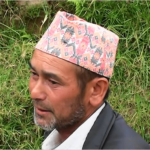
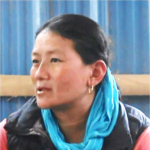
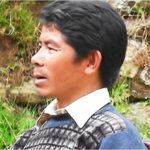
During our last trip in November 2015, six months after the disaster, we were able to ask seven of Rapcha’s friends about their experiences during the earthquakes.
Read the stories of the local people by clicking on their names.
Marc Béchet
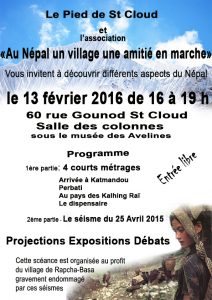
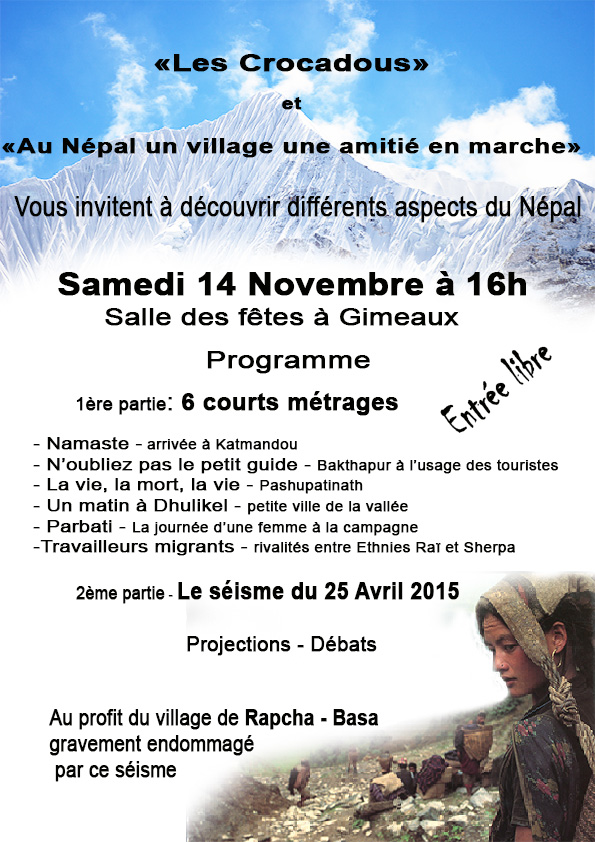
13 February from 4pm to 7pm: film screenings followed by debates in Saint Cloud
A team of four people travelled to Rapcha to discuss reconstruction aid with the two associations and the people of Rapcha.
They were given a warm welcome.
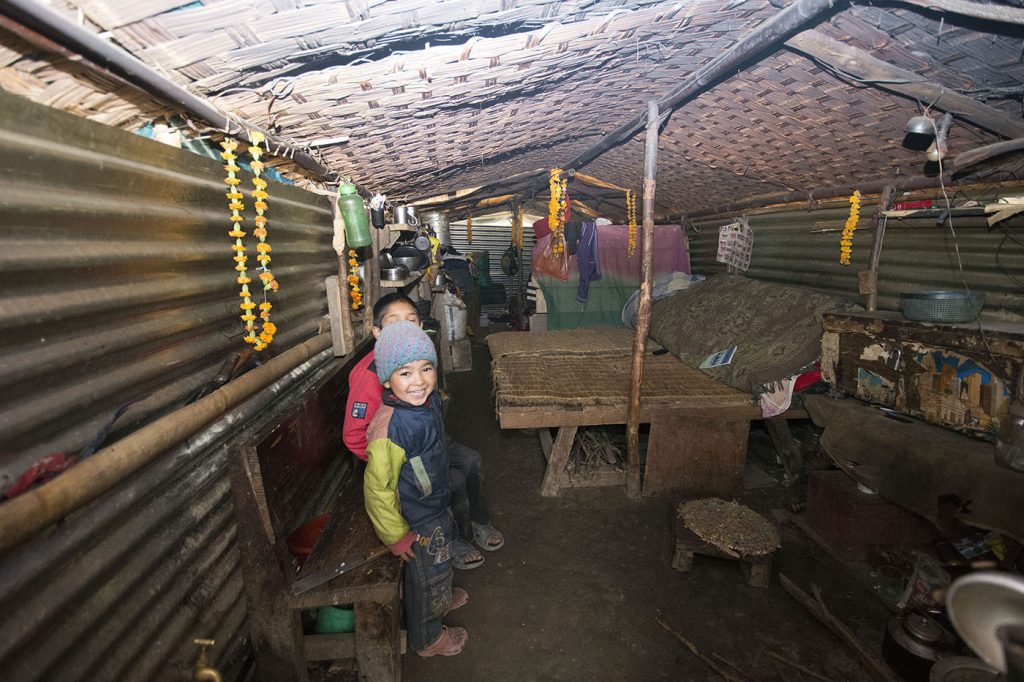
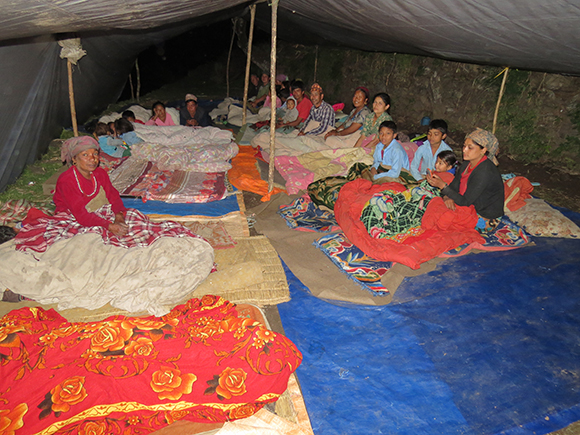
Around a hundred families will be spending the winter in makeshift shelters (tarpaulins, woven bamboo, tomato greenhouses). Although Nepal’s latitude corresponds to that of southern Morocco, the village lies between 1,500 and 2,500 metres above sea level and the nights are very cold; it hardly ever snows. Life has returned to normal, the crops have been harvested and there seems to be no shortage of food. However, there has been a resurgence of infectious diseases due to the poor housing conditions, and we have increased our contribution to the purchase of medicines.
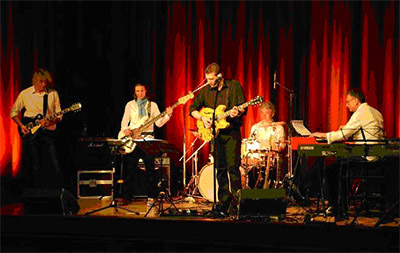
On 22 November, in Givry , the lively rhythms of Ice Cream in solidarity with Nepal
A few more aftershocks, not as strong, but still bringing back the trauma of April-May; life has resumed its normal course: harvesting, working in the fields, looking after the livestock, often school under tarpaulins…
How far have we got with the Association?
Thanks to the tremendous generosity of our donors, we will be able to devote almost €40,000 over the next 3 years to continuing our work and rebuilding. First of all, public buildings, then homes, including our project for chimneys that can evacuate smoke outside, gradually replacing floor-standing fireplaces with no flue, which are a source of respiratory and eye pathologies.
Life returns to normal in Basa.
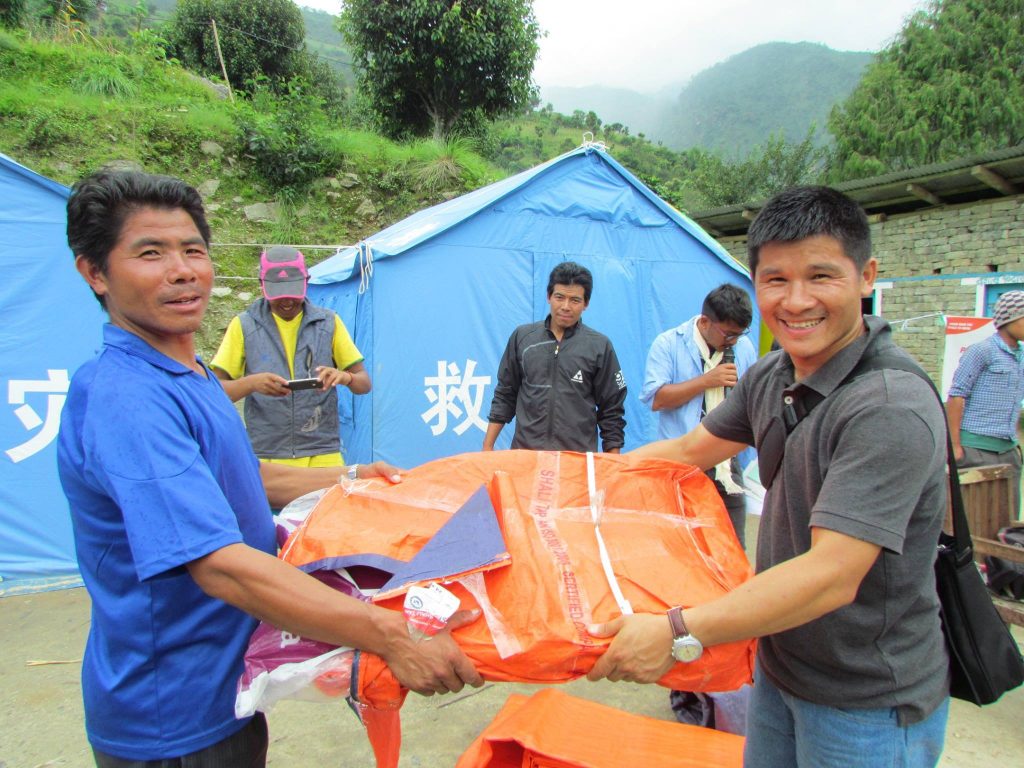
We were able to buy 120 good quality tarpaulins and have them transported, despite the difficulties caused by the poor state of the tracks and paths, and we have the satisfaction of knowing that all the families are sheltered from the monsoon.
The latest e-mail from Yadav (30 July) tells us that the dispensary is running smoothly and that we have purchased additional medicines with the money we had set aside.
It also seems that the damage to the terraces has been kept to a minimum (but we’ll have to wait for the monsoon to end) and the harvest is getting ready. They don’t seem to be worried about food.
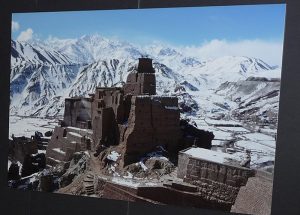
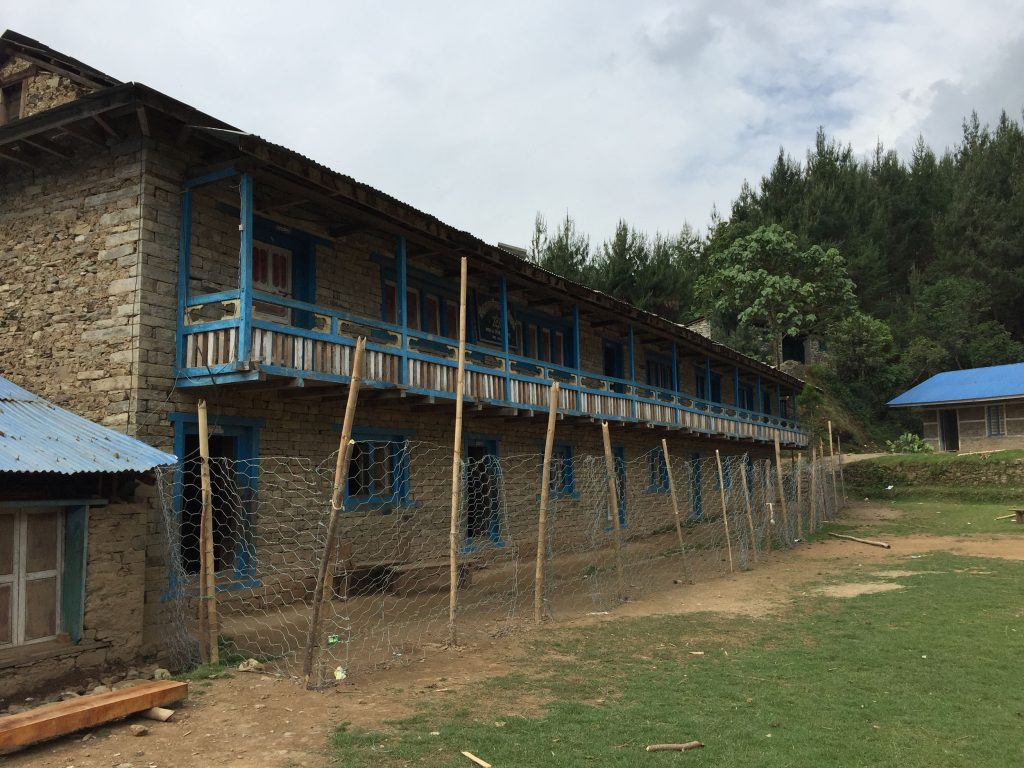
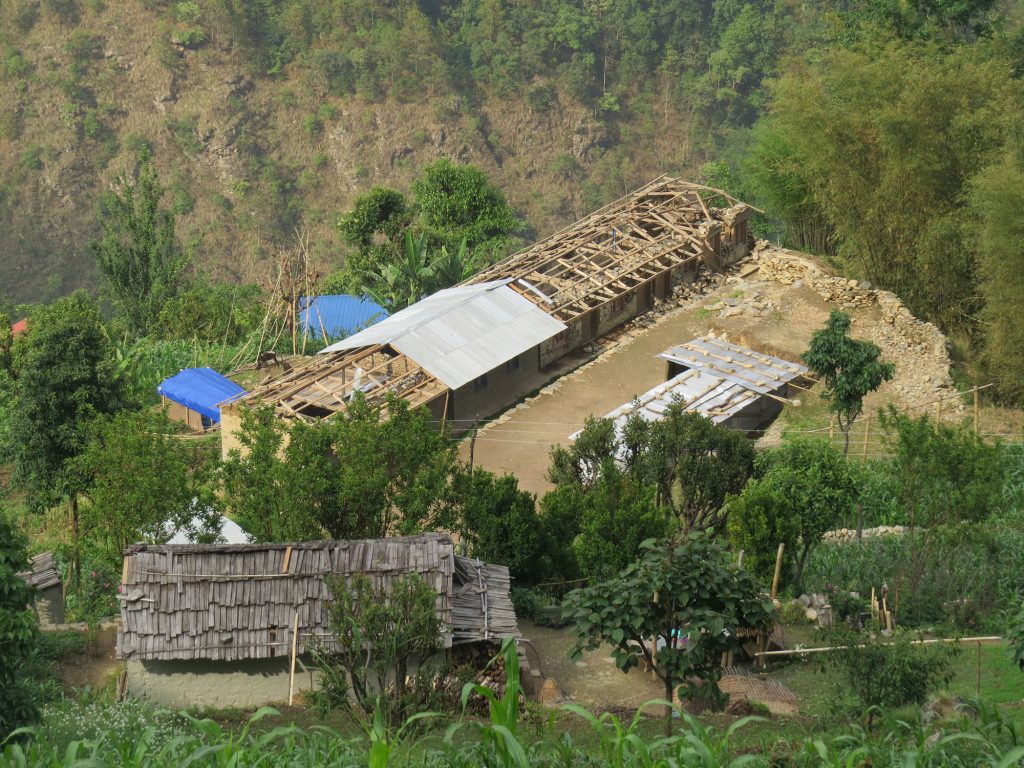
Schools were badly damaged, with the one in the hamlet of Lop razed to the ground and the school being run under tarpaulins;
the roof of the dispensary was pierced by a large stone;
the bridge is intact, but its foundations are threatened by the collapse of the natural dam of Lake Imja at the foot of Island Peak.